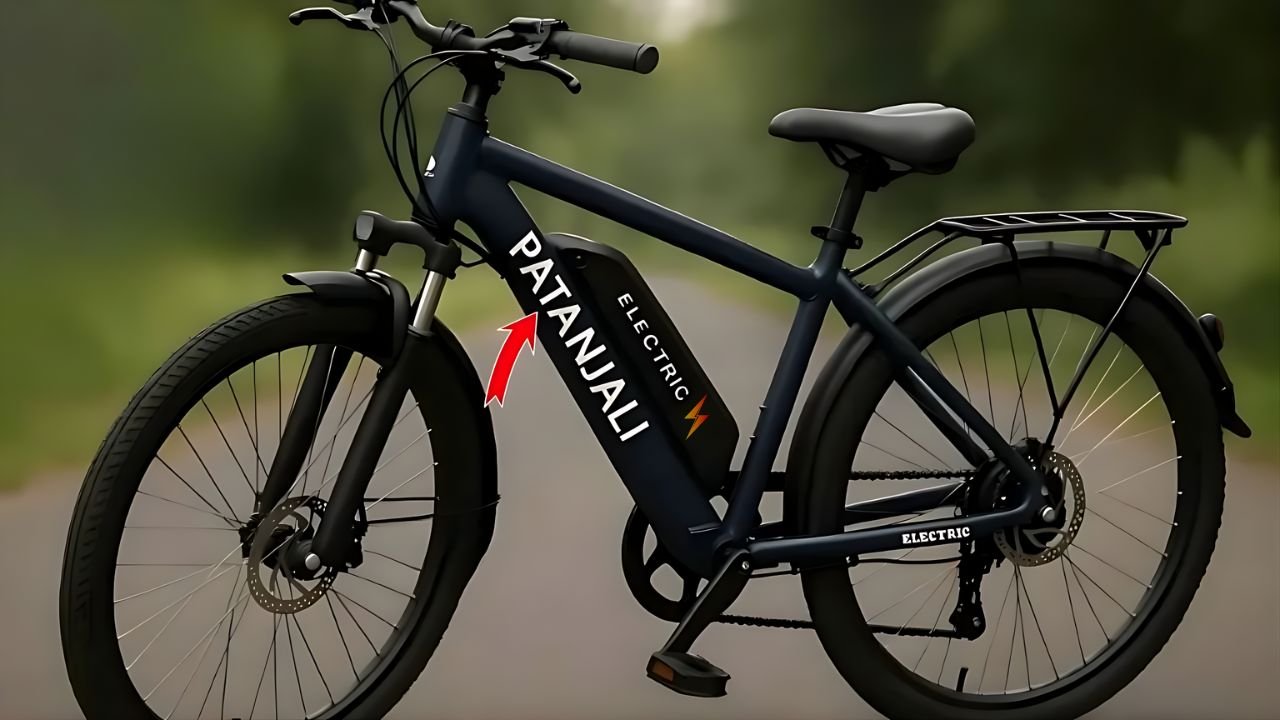
The Patanjali Electric Cycle 2026 launch marks a significant step in India’s growing electric mobility movement. Known for promoting swadeshi products and affordable alternatives, Patanjali is now entering the electric cycle segment with a strong focus on sustainability, cost efficiency, and everyday usability. This move aligns with India’s push toward eco-friendly transportation and healthier lifestyles.
With rising fuel prices and increasing urban congestion, electric cycles are becoming a preferred choice for short-distance commuting. Patanjali’s entry into this segment is expected to make electric mobility more accessible to students, office commuters, and fitness-conscious users.
Vision Behind Patanjali’s Electric Mobility Entry
Patanjali’s electric cycle project is built around the idea of clean, self-reliant transportation. The brand aims to reduce dependence on fossil fuels while offering a practical mobility solution for Indian roads and conditions.
The 2026 electric cycle reflects Patanjali’s broader vision of combining affordability with innovation. By focusing on locally sourced components and simplified technology, the company plans to keep ownership costs low while ensuring long-term reliability.

Design Philosophy and Build Quality
The Patanjali Electric Cycle 2026 features a clean and functional design suited for daily Indian usage. The frame is expected to be lightweight yet durable, making it easy to handle in crowded city streets as well as semi-urban areas.
A comfortable riding posture, well-padded saddle, and balanced geometry ensure that riders of different age groups can use the cycle comfortably. The overall styling is expected to remain minimal, prioritizing practicality over flashy aesthetics.
Electric Motor and Performance Expectations
At the heart of the Patanjali Electric Cycle is an efficient electric motor designed for smooth and silent operation. The motor output is tuned to assist riders during pedaling, especially on inclines and longer routes.
Performance is expected to be optimized for city commuting rather than high speeds. This approach ensures better battery efficiency, smoother acceleration, and a safer riding experience for everyday users.
Battery Technology and Charging Convenience
Battery performance plays a crucial role in electric cycles, and Patanjali is expected to focus on reliable and easy-to-maintain battery technology. The electric cycle is likely to offer a practical riding range suitable for daily commutes, school runs, and local errands.
Charging convenience is another major highlight. The battery can be charged using a standard household power socket, eliminating the need for specialized infrastructure. This makes ownership simple and hassle-free, especially in smaller towns and residential areas.
Riding Range and Everyday Usability
The Patanjali Electric Cycle 2026 is designed to deliver a balanced riding range that meets the needs of most users. A single charge is expected to comfortably support daily travel without frequent recharging.
This focus on real-world usability makes the cycle ideal for short-distance travel, fitness rides, and environmentally conscious commuting. The pedal-assist system also allows riders to extend the range by combining manual effort with electric support.

Comfort, Safety, and Ride Experience
Comfort is a key priority in the Patanjali Electric Cycle. Features such as shock-absorbing forks, sturdy tires, and ergonomic handlebars help provide a smooth ride even on uneven roads.
Safety is addressed through reliable braking systems and stable handling characteristics. The lightweight construction and controlled power delivery make the cycle suitable for beginners and elderly riders alike.
Smart Features and User-Friendly Technology
While the Patanjali Electric Cycle 2026 focuses on simplicity, it is expected to include essential smart features. Basic display units may provide information such as speed, battery level, and riding mode.
The technology is designed to be easy to understand and operate, ensuring that users do not feel overwhelmed. This user-friendly approach aligns with Patanjali’s philosophy of making modern products accessible to everyone.

Expected Pricing and Market Positioning
One of the biggest highlights of the Patanjali Electric Cycle 2026 launch is its expected affordable pricing. Patanjali is likely to position the cycle as one of the most budget-friendly electric mobility solutions in the Indian market.
This competitive pricing strategy could attract a wide range of buyers, including students, daily commuters, and health-conscious individuals. Low running costs and minimal maintenance further enhance its value proposition.
Impact on India’s Electric Cycle Market
Patanjali’s entry into the electric cycle segment could significantly influence the market. With its strong brand recognition and extensive distribution network, the company has the potential to popularize electric cycles among mass consumers.
This launch also supports India’s broader goals of reducing emissions and promoting sustainable transportation alternatives. By offering an affordable and practical solution, Patanjali could accelerate the adoption of electric cycles across the country.

Conclusion
The Patanjali Electric Cycle 2026 launch represents an important milestone in India’s journey toward sustainable and affordable mobility. With its focus on simplicity, comfort, and cost-effectiveness, the electric cycle is well-suited for everyday Indian commuters.
By combining eco-friendly technology with Patanjali’s trusted brand image, this electric cycle has the potential to become a popular choice for those seeking a cleaner, healthier, and more economical way to travel.